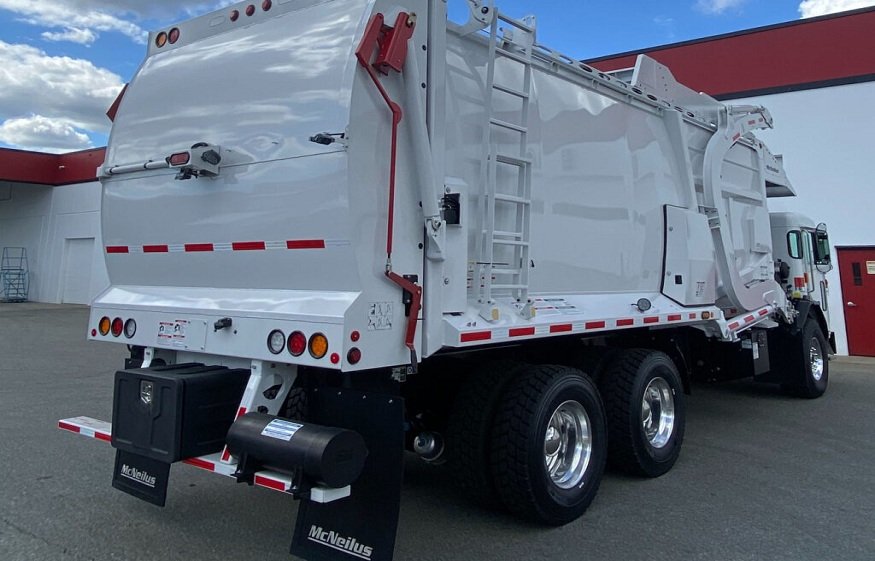
Municipal waste collection is an essential public service that helps communities maintain clean streets, protect public health, and manage household and commercial waste. Local governments depend on reliable collection vehicles to maintain regular schedules and serve residential neighborhoods, business districts, public facilities, and other locations. When vehicles experience frequent breakdowns or cannot handle the required workload, municipal services may face delays and increased operating expenses. McNeilus refuse trucks provide different collection configurations that municipalities can evaluate according to their sanitation requirements.
The Importance of Reliable Municipal Waste Collection
Municipalities are responsible for organizing waste collection services that meet the needs of their communities. These responsibilities often include household waste pickup, commercial collection, recycling programs, and maintaining public spaces.
Collection schedules must be maintained consistently because accumulated waste can create sanitation problems and affect community cleanliness.
Read More : How to Choose the Best McNeilus garbage trucks for sale
Reliable refuse trucks help municipalities complete these responsibilities. Vehicle capacity, loading arrangements, operating condition, and maintenance support all influence the effectiveness of daily collection operations.
Supporting Residential Sanitation Services
Residential waste collection is one of the most important municipal sanitation activities. Households generate waste regularly, and local authorities must arrange collection services to prevent waste from accumulating around properties and public roads.
McNeilus offers different refuse truck configurations that municipalities can evaluate for residential collection.
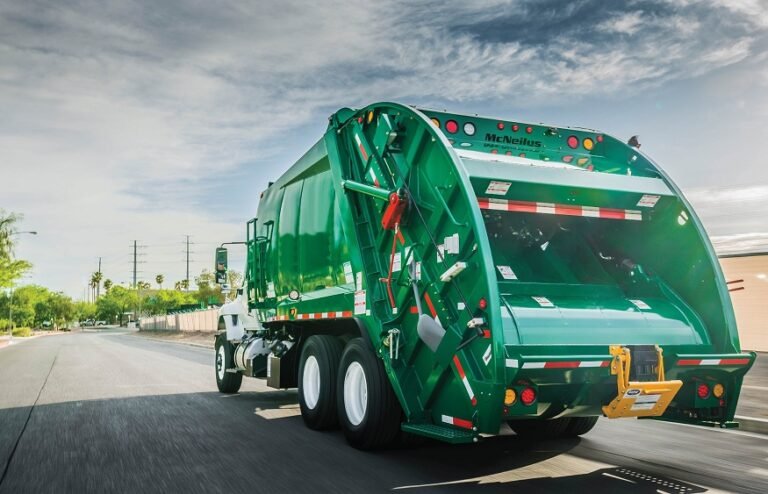
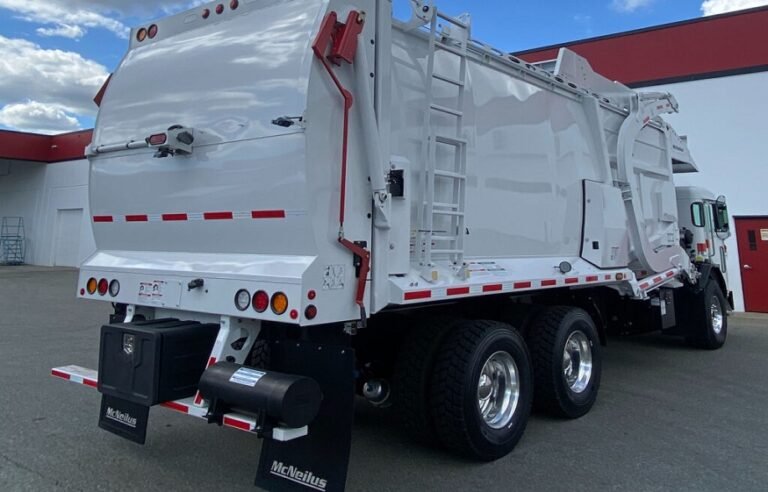
Rear-loading vehicles can support certain residential collection methods, while automated side loaders can be used with compatible curbside containers. The most appropriate option depends on street conditions, container systems, workforce arrangements, and local collection procedures.
Choosing the right vehicle helps municipalities organize collection routes and provide consistent services to residents.
Managing Commercial and Public Waste Collection
Municipalities may also be responsible for collecting waste from markets, public buildings, offices, parks, and other commercial or public locations.
These environments can generate different waste volumes and require specialized collection arrangements.
A McNeilus front loader may be suitable for municipal operations that handle compatible commercial dumpsters. Its loading arrangement allows operators to collect waste from designated containers without using the same loading method as a rear-loading vehicle.
Municipal fleet managers should evaluate container compatibility, available access space, expected waste volumes, and operating requirements before selecting equipment.
Improving Collection Schedule Reliability
Municipal waste collection often follows established schedules. Residents and businesses expect collection vehicles to arrive according to planned service days.
Unexpected mechanical problems can interrupt these schedules and place additional pressure on other vehicles.
Regular vehicle inspections and preventive maintenance help municipalities reduce avoidable downtime. Fleet managers should monitor vehicle condition and address repair requirements before they affect service delivery.
A well-maintained McNeilus front loader can support scheduled commercial collection activities when it is correctly assigned and operated according to its specifications.
Supporting Recycling and Environmental Programs
Recycling programs are an important part of modern municipal waste management. Local governments may collect paper, cardboard, plastics, metals, and other recyclable materials separately from general waste.
Collection vehicles must be suitable for the materials, containers, and collection methods involved.
McNeilus offers refuse and recycling vehicle solutions that municipalities can investigate when planning their fleets. The selected equipment should match the local recycling program and transportation requirements.
Municipalities should also consider how collection vehicles fit into broader waste reduction and resource recovery strategies.
Maintaining Vehicles for Long-Term Performance
Municipal refuse trucks operate under demanding conditions. Repeated loading activities, heavy materials, frequent stops, and varying road surfaces can gradually affect vehicle components.
Preventive maintenance is essential for keeping equipment in dependable condition.
Technicians should inspect hydraulic systems, brakes, tires, electrical components, loading mechanisms, and vehicle structures. Maintenance schedules should follow manufacturer recommendations and account for actual operating conditions.
Municipalities should also maintain detailed service records to identify recurring issues and plan repairs.
Managing Replacement Parts and Service Support
Access to suitable replacement components is important for maintaining municipal refuse trucks. When a vehicle requires repairs, maintenance teams need accurate component information and reliable sourcing arrangements.
Before ordering replacement parts, technicians should verify the model, serial information, vehicle configuration, and applicable part numbers.
Researching McNeilus companies and their dealership networks can help municipal purchasing departments understand available equipment support and service options.
Ten-8 Industrial is part of the McNeilus independent dealership network and supports refuse and recycling vehicle customers in Alabama, Florida, Georgia, and Mississippi. Its services include vehicle sales, parts, maintenance, and technical support.
Municipalities within its service territory can evaluate these resources when planning equipment purchases and ongoing maintenance.
Improving Driver and Crew Safety
Municipal waste collection takes place in public environments where vehicles operate near pedestrians, cyclists, other drivers, and collection employees.
Safety should therefore remain a priority throughout the operation.
Municipalities should provide appropriate driver training and establish clear procedures for loading activities. Vehicles should be inspected regularly to ensure that mirrors, cameras, lights, warning alarms, brakes, and other safety equipment function properly.
Employees should also understand how to work safely around moving vehicles and mechanical loading systems.
Evaluating Electric Refuse Truck Opportunities
Environmental considerations are influencing municipal vehicle purchasing decisions. Some local authorities are exploring electric refuse trucks to reduce local tailpipe emissions and vehicle noise.
McNeilus has introduced its Volterra electric refuse vehicle platform, which municipalities may investigate when evaluating alternative powertrain options.
Electric trucks can be worth considering for suitable urban collection routes. However, municipalities should assess battery range, charging infrastructure, route distances, payload requirements, and total ownership costs.
A successful transition requires coordination between vehicle selection, charging facilities, maintenance arrangements, and collection schedules.
Planning Municipal Fleet Budgets
Municipal fleet management requires careful financial planning. Local governments must allocate funds for vehicle purchases, fuel, maintenance, insurance, repairs, and replacement components.
Fleet managers should compare total ownership costs rather than focusing only on initial vehicle prices.
Monitoring maintenance expenses and vehicle availability can help municipalities identify equipment that requires replacement or additional servicing.
A McNeilus front loader should be evaluated according to its intended collection application, expected operating hours, and long-term maintenance requirements.
Preparing for Growing Community Needs
Population growth and new commercial developments can increase the demand for municipal waste collection.
Local authorities should regularly review service areas, collection volumes, vehicle capacity, and fleet availability.
Researching McNeilus companies and their equipment offerings can help municipal purchasing departments understand available vehicle configurations and support resources.
Planning ahead allows municipalities to prepare budgets, evaluate additional vehicles, and maintain appropriate collection capacity as community needs change.
Conclusion
Reliable McNeilus refuse trucks can support municipal services by helping local governments manage residential sanitation, commercial collection, recycling programs, and public waste management responsibilities.
Read More : Tips for Finding Quality Galfab Trucks for Sale
Municipalities should select appropriate vehicle configurations, maintain regular inspection schedules, and provide proper operator training. Evaluating a McNeilus front loader alongside other collection options can help authorities identify suitable equipment for their commercial and public waste collection requirements. With responsible fleet management and service support from Ten-8 Industrial within its authorized territory, municipalities can strengthen vehicle reliability and maintain consistent sanitation services.
About the Author