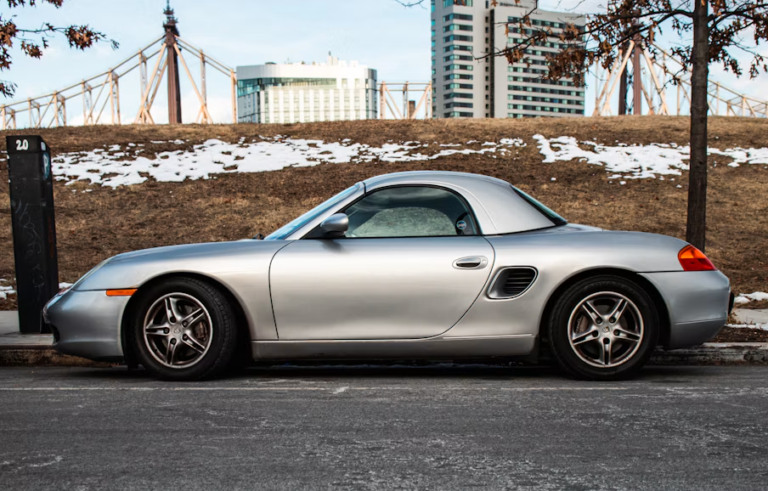
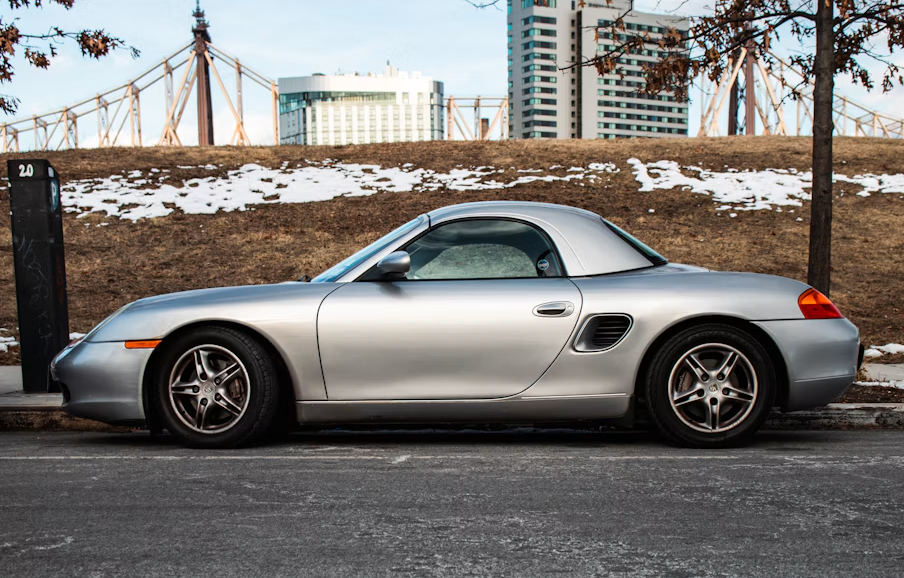
The Porsche Boxster combines sports-car performance with everyday usability. However, keeping one reliable requires regular inspections, timely replacements and an understanding of the mechanical weaknesses associated with each generation.
Start with the engine and its known weaknesses
The Boxster’s flat-six engine delivers an engaging driving experience, but its maintenance requirements deserve particular attention. Problems vary depending on the model year and engine configuration.
One important concern on early 986 and 987 models is the intermediate shaft (IMS) bearing. Bearing failure can cause severe internal engine damage. Owners should establish whether the bearing has been inspected or upgraded, particularly on earlier models. Maintenance records and specialist inspections are essential.
Cylinder bore scoring is another concern, especially on certain 3.4-litre engines. Excessive oil consumption, unusual ticking noises and smoke from the exhaust deserve investigation. A specialist borescope inspection can help identify internal cylinder damage.
For owners looking to maintain or restore their vehicles, sourcing suitable Porsche Boxster parts requires attention to model compatibility and component specifications.
Keep the cooling system in good condition
Overheating can cause extensive engine damage. Therefore, the cooling system should remain a priority during routine maintenance.
The water pump, coolant expansion tank, hoses and radiators are important inspection points. Age, heat and accumulated debris can contribute to leaks, blockages and component deterioration.
Read More: Motorcycle License Test: Preparation, Safety Rules, and Essential Skills
The front radiators deserve particular attention because leaves and road debris can collect around them. Regular cleaning helps maintain airflow and prevents corrosion.
A cracked expansion tank or failing water pump should be replaced promptly. Owners should also monitor coolant levels and investigate unexplained losses rather than simply topping up the system.
Inspect the suspension, brakes and transmission
The Boxster’s handling depends on a properly maintained suspension system. Worn control-arm bushes, ball joints and dampers can affect stability, steering precision and ride comfort.
Clunking noises over uneven surfaces, uneven tyre wear and excessive body movement are possible warning signs. Replacing worn suspension components helps preserve predictable handling.
Brakes also require regular attention. Check the pads, discs, callipers and brake fluid condition. Brake fluid absorbs moisture over time, reducing braking performance. Following the recommended replacement intervals is therefore important.
Manual transmission owners should monitor clutch engagement and watch for slipping or difficulty selecting gears. Replacing a worn clutch before it causes further complications can prevent additional repair expenses.
Do not overlook the convertible roof and electrical system
The folding roof is an important part of the Boxster experience, but its mechanism needs attention. Check its operation regularly, including the motors, cables, seals and drainage channels.
Blocked roof drains can allow water to enter the cabin. This may damage carpets, electrical connections and control modules. Cleaning the drainage points helps prevent avoidable moisture-related problems.
Electrical inspections should also cover the battery, alternator, window regulators, lights and dashboard warning indicators. Addressing small electrical faults early can prevent more complicated problems.
Follow a consistent replacement schedule
Preventive maintenance is more effective than waiting for components to fail. Engine oil and filters should be changed according to the correct service schedule and operating conditions.
Read More: Tips for Finding Quality Galfab Trucks for Sale
Spark plugs, ignition coils, air filters and auxiliary drive belts also require periodic inspection or replacement. Always follow the maintenance requirements for the specific Boxster generation and engine.
Choosing a correctly specified part for Porsche is equally important. Compatibility should be checked using the vehicle’s model, production year and relevant technical specifications.
Conclusion
A reliable Porsche Boxster depends on consistent maintenance rather than occasional repairs. Prioritizing engine health, cooling components, suspension, brakes, electrical systems and the convertible roof helps protect the vehicle over time. With proper inspections and timely replacement of worn components, owners can continue enjoying the Boxster’s performance and distinctive driving character.
About the Author