Understanding the Motorcycle License Test
For most new riders, the licence is the moment the bike stops being a weekend dream and becomes a legal way to get about. Before that happens, though, there’s the motorcycle license test. It checks how well a rider knows the traffic laws, the road signs, the controls on the bike and the habits that keep people in one piece. Some places ask for a written knowledge test, others for a practical riding test, and plenty want both.
Read More: How to Choose the Best McNeilus garbage trucks for sale
The point of all this isn’t to catch anyone out. It’s to make sure a new rider understands what it means to share a public road on two wheels. Good preparation lets candidates walk in with a bit of confidence rather than a knot in their stomach. The habits picked up along the way often last for decades.
Learning Traffic Laws and Road Signs
Traffic law sits at the heart of the licensing exam. Candidates are usually expected to know speed limits, who gives way to whom, what traffic lights mean, how lane markings work and what the law asks of anyone riding on a public road. On top of that come the rules for overtaking, turning, stopping and leaving enough of a gap behind the car in front. That gap matters most when a driver brakes hard for a cat darting across the road.
Signs carry equal weight. Regulatory signs spell out restrictions and legal requirements. Warning signs flag up trouble ahead, such as a sharp bend or a slippery stretch. Informational signs point the way and share other handy details about the road.
Going over these signs little and often makes them easier to spot and helps candidates react sensibly in all sorts of traffic. Ten minutes with flashcards over a morning cup of tea can do more than one long cramming session the night before. It’s wise to stick with the official driving handbook from the local licensing authority, too, since rules and test requirements change from one place to the next.
Preparing for the Written Knowledge Examination
The written motorcycle test usually checks what a candidate knows about traffic rules, defensive riding, road hazards and staying safe on a bike. Some versions stick to multiple-choice questions. Others describe a situation on the road and ask which response is the safest.
A simple study plan takes a lot of the stress out of it. The material can be split into topics, tackled one at a time and then revisited wherever mistakes keep cropping up. Practice questions are handy for spotting the gaps and getting used to how the real exam is laid out.
Those who want to Prepare for license exam tend to do best with a steady routine, regular reviews of the relevant road rules and a few self-tests before the exam date. Even so, everything studied needs to match the regulations and materials that apply where the licence will be issued. A practice test built for another state can quietly teach the wrong answer.
Developing Practical Motorcycle Riding Skills
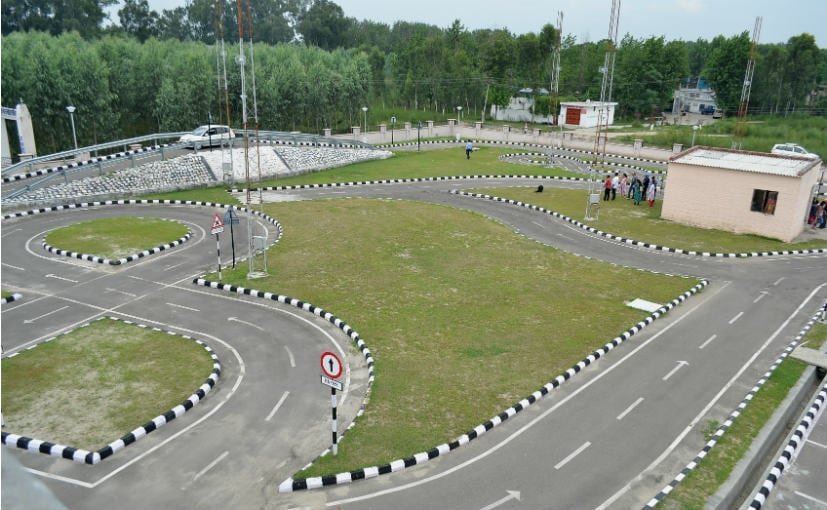
The practical test is where knowledge meets the handlebars. Examiners are looking for safe handling and sensible reactions to whatever the road throws up. The exact exercises depend on local rules, but they often include pulling away and stopping, turning, braking, slow-speed manoeuvres and keeping the bike balanced. Riding slowly in a tight circle sounds easy. It rarely is.
It pays to get acquainted with the bike that’ll be used on the day. Candidates need to know their way round the throttle, clutch, brakes, gears, indicators, mirrors and every other control that matters. Fumbling for the indicator switch in front of an examiner is a feeling most riders would rather skip.
Read More: Real Workshop Insight: How Long Does a Reconditioned or Remanufactured BMW Engine Usually Last?
Practice belongs somewhere suitable, legal and safe, ideally with proper supervision. An empty car park on a Sunday morning is a far better classroom than a busy high street. It makes sense to start with the basics and only move on to harder exercises once those feel natural.
Understanding Motorcycle Safety and Protective Equipment
Safety runs through both halves of the licensing process, the written and the practical. Riders don’t have the protection that people sitting inside a car do. That’s why good gear and defensive riding matter so much.
A well-fitted, approved helmet is near the top of any list of protective equipment. A wobbly one does little good. Local laws and conditions may also bring gloves, a protective jacket, long trousers and sturdy riding boots into the picture.
Candidates need to learn to spot the hazards that can catch a rider off guard, such as loose gravel, wet patches, potholes, oil spills and sudden shifts in the flow of traffic. A rainbow-coloured sheen on the road near a petrol station is worth noticing. Keeping a safe gap, checking mirrors, signalling clearly and looking over the shoulder for blind spots all help bring the risk down.
The weather changes how a bike behaves, too. Rain, strong gusts and poor visibility can call for a slower pace, more space behind other vehicles and a lot more care. One afternoon shower can turn a dry road slick.
Common Mistakes During the Motorcycle Test
Some candidates trip themselves up by focusing so hard on passing that they forget to show safe riding. The usual slip-ups include not checking mirrors, forgetting the indicators, stopping in the wrong way, wobbling during slow manoeuvres and missing road signs.
Nerves can play their part as well. Some applicants race through the written questions, while others make jerky movements once the practical begins. Taking a moment to understand each instruction, keeping calm and practising in conditions close to the real thing can ease a lot of that.
Mistakes made during practice are worth welcoming rather than dreading. Working out why something went wrong usually teaches far more than running the same exercise again and again without knowing what to fix. A stall in a quiet car park teaches plenty.
Final Preparations Before Test Day
Ahead of the exam, it’s worth double-checking the paperwork, eligibility rules, fees, appointment details and any conditions about the motorcycle being used. Candidates also need to find out whether the licensing authority asks for a learner permit, previous training or a certain type of safety gear. Turning up without the right document is a frustrating way to lose a booking.
A good night’s sleep helps with focus and coordination more than any last-minute revision. Getting there a little early gives applicants time to read through the instructions and sort out any admin without feeling rushed.
Conclusion
Passing a motorcycle license test takes a mix of book knowledge, practical riding ability and a clear grasp of road safety. Candidates who know the traffic laws, have practised the key manoeuvres, wear proper protective gear and learn from every slip-up are in a much stronger position to show what they can do. The licence is only the start, though. Those same skills help riders make sensible choices long after the test, and they make the roads safer for everyone who uses them.
About the Author