Choosing the right garbage truck is one of the most important decisions a waste management company can make. Collection vehicles represent a significant investment, and their performance can directly affect operating costs, employee productivity, customer service, and the overall efficiency of a waste collection fleet. Whether a company is replacing an aging vehicle or expanding its fleet to serve more customers, careful planning is essential before making a purchase.
A garbage truck should do more than transport waste from one location to another. It needs to match the company’s collection methods, route requirements, waste volumes, maintenance capabilities, and long-term business goals. Understanding these factors can help waste companies select vehicles that provide dependable performance and better value throughout their service life.
Determine the Type of Waste Collection Required
The first step is identifying how the truck will be used. Different waste collection operations require different vehicle configurations.
Businesses handling residential routes may have different requirements from companies serving commercial properties, construction sites, manufacturing facilities, or municipal customers. Rear loaders, front loaders, side loaders, and other configurations each provide advantages for particular applications.
Read More : Reconditioned vs. Rebuilt: My Personal Verdict on the Best Engine Solution
Before purchasing a truck, fleet managers should consider the types of containers being collected, the average amount of material collected per route, and how frequently containers need to be emptied. Understanding these requirements helps prevent businesses from purchasing a vehicle that is either unsuitable for the application or larger than necessary.
Consider Truck Capacity
Capacity is another critical consideration. A truck that cannot handle the waste volume generated during a typical route may require additional trips, reducing productivity and increasing fuel and labor expenses.
On the other hand, purchasing a truck with significantly more capacity than necessary may result in unnecessary acquisition and operating costs. Companies should examine historical collection data and estimate future demand before selecting a truck size.
Payload capacity is especially important when collecting dense materials. A vehicle may have substantial body volume, but weight limitations can still determine how much material it can safely transport.
Evaluate the Compaction System
Compaction technology plays a major role in the efficiency of many garbage trucks. A reliable compaction system allows operators to collect more material before returning to a disposal or transfer facility.
When evaluating a truck, businesses should examine the design and performance of its compaction equipment. Consider factors such as cycle time, controls, maintenance requirements, and suitability for the waste stream being collected.
A dependable compaction system can help reduce unnecessary trips and allow collection crews to complete routes more efficiently.
Examine the Truck’s Maintenance Requirements
Maintenance costs can significantly influence the long-term value of a garbage truck. Waste collection vehicles operate in demanding conditions and are exposed to heavy loads, frequent stops, dust, debris, and continuous mechanical use.
Before purchasing, fleet managers should understand which components require regular servicing and how easily replacement parts can be obtained. Accessibility for routine maintenance can also affect labor costs and vehicle downtime.
Companies should consider whether their existing maintenance team has the skills and equipment necessary to service the truck. If specialized service is required, managers should investigate local support options before committing to a particular model.
Review Vehicle Condition When Buying Used
Buying a used garbage truck can provide a cost-effective way to expand a fleet, but condition should be evaluated carefully. A lower purchase price does not necessarily mean lower ownership costs.
Fleet managers should inspect the engine, transmission, hydraulic system, brakes, tires, electrical components, body, and collection mechanism. They should also review maintenance records and determine whether the vehicle has been regularly serviced.
The age of the truck is important, but operating history can be just as significant. A well-maintained older vehicle may be a better investment than a newer truck that has experienced excessive use or poor maintenance.
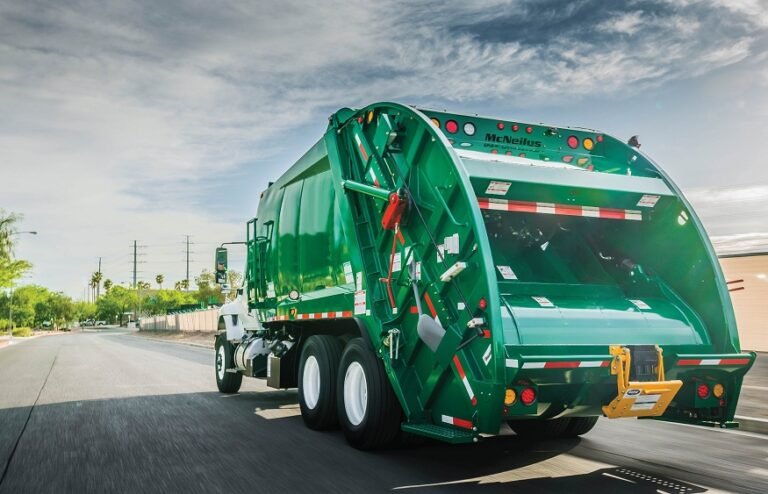
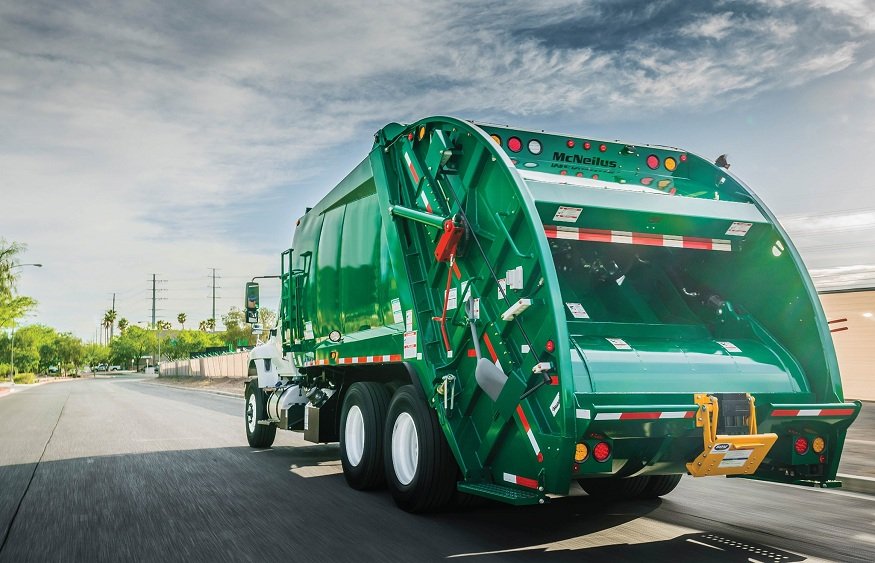
Companies researching McNeilus garbage trucks for sale should evaluate each vehicle according to its intended application, condition, specifications, and expected operating requirements rather than focusing solely on the advertised price.
Check Compatibility With Existing Fleet Operations
Fleet compatibility can make a major difference in day-to-day efficiency. Companies should consider whether a new garbage truck uses systems, controls, parts, and maintenance procedures that are familiar to their existing workforce.
Standardizing certain aspects of a fleet can simplify employee training and inventory management. Mechanics may also find it easier to service vehicles when similar models and components are already in use.
Before purchasing, managers should compare the proposed vehicle with the rest of the fleet and identify any significant differences that could create operational challenges.
Think About Fuel Efficiency and Operating Costs
Fuel is one of the recurring expenses associated with operating heavy-duty collection vehicles. Over several years, even modest differences in fuel consumption can have a meaningful impact on a company’s operating budget.
Businesses should consider engine specifications, route conditions, average travel distances, vehicle weight, and idling patterns when evaluating fuel efficiency. Alternative powertrain options may also be worth considering depending on the company’s operating environment and long-term objectives.
Fuel costs should be evaluated alongside maintenance and productivity rather than considered independently. A vehicle that costs slightly more initially may provide stronger long-term value if it performs efficiently and reliably.
Prioritize Operator Safety and Comfort
Garbage truck operators spend long hours in their vehicles, often working in busy commercial or urban environments. Safety and driver comfort should therefore be part of the purchasing decision.
Important considerations may include visibility, ergonomic controls, access points, braking performance, lighting, backup systems, and cab design. Features that make it easier for operators to monitor their surroundings can contribute to safer collection activities.
Comfort also matters because excessive physical strain can affect employee satisfaction and productivity. A thoughtfully designed cab can make demanding routes easier for drivers and collection crews.
Consider Parts and Technical Support
A garbage truck is only valuable when it can remain operational. Parts availability and technical support should therefore be evaluated before purchase.
Businesses should determine whether replacement parts are readily available and whether qualified technicians can service the vehicle. Delays in obtaining critical components can keep a truck out of service and disrupt customer routes.
Working with an experienced heavy-duty equipment provider can make the ownership process easier. Companies such as Atlantic Heavy Duty can be considered when businesses need access to waste collection equipment and related heavy-duty solutions.
Calculate Total Cost of Ownership
The purchase price provides only part of the financial picture. Fleet managers should estimate the total cost of owning and operating the truck over its expected service life.
This calculation may include financing, insurance, fuel, maintenance, repairs, tires, replacement components, downtime, and eventual resale value. A truck with a higher upfront price can sometimes deliver better value when it offers stronger reliability and lower operating costs.
A total-cost approach allows businesses to compare vehicles more realistically and avoid decisions based solely on initial purchase price.
Plan for Future Business Growth
Waste companies should also consider where their operations are heading. A vehicle that meets today’s needs may become insufficient if collection volumes increase significantly.
Businesses expanding into new service areas or adding commercial customers may require additional capacity or specialized collection capabilities. Selecting versatile equipment can provide greater flexibility as the company grows.
Conclusion
Buying a garbage truck is a major investment that can influence nearly every part of a waste business’s daily operation. Companies should evaluate collection requirements, capacity, compaction systems, maintenance needs, vehicle condition, fuel costs, safety, parts availability, and long-term ownership expenses before making a decision.
Read More : The Sustainable Swing: How Vantage Vehicles Contribute to a Greener Golfing Future
Whether purchasing new or used equipment, the best choice is the truck that fits the company’s actual routes and operational goals. By carefully comparing specifications and working with knowledgeable heavy-duty equipment providers, waste businesses can build a more productive and dependable fleet that supports both current operations and future growth.
About the Author